

I came to Colour It In to discover more about marketing analytics for my work experience and so far, I have learned a lot. Marketing analytics is a crucial part in keeping your website from losing its users. It allows businesses to understand where they need to change things so that it becomes more appealing and accessible to customers.
A website for your business is essential as nowadays people use the internet for everything and so you need to put your business out there for others to see. If the information they are looking for is not easy to find, then they will just leave your site and you will lose a customer.
The way to stop this problem from happening is by looking at your Analytics. Good decisions for your website need good evidence. Marketing data helps businesses understand what is working, what is not and what to do next. Poor-quality data can cause businesses to spend money in the wrong place, misjudge demand or miss warning signs.
Marketing data is a useful thing
Marketing data is collected from campaigns, social media, websites, enquiries, sales journeys, search activity, and forms. If you saw the data by itself, it would just seem like a bunch if useless numbers, but if it is collected accurately and can be interpreted clearly then it becomes very valuable to your business.
Yes, data is just raw information by itself but when you take the meaning of that data you are able to transform the flaws within your business. Campaign data can show you which audiences, channels, or messages deliver the best return. Social media data can show you how many people your business reached, their interactions with it, and how much action your content encouraged. Website data can show you how people interact with your website, how people found your site whether it was paid search, organic search, direct, or referrals and then if they made any purchases or enquiries.
Quality is so important for your business
High-quality data is essential for a successful enterprise. It ensures accurate decision-making, boosts operational efficiency, and enhances customer satisfaction. If your tracking has been set up badly, the wrong data range is being used, or duplicate information is being counted, then the report of your data may look good but in reality, it will point you to the wrong conclusion causing you to waste your money on a problem that never existed.
High quality data should maintain four things:
1. Accuracy - Because your data is factual and accurate, it allows the decisions to be made based on reality rather than error.
2. Relevance - This means that the data you are collecting applies to your businesses goals and not distracting yourself with figures that add little value to what you are waiting to do.
3. Time Scale - The information you are using needs to be recent enough to support action before opportunities are lost or else problems will grow.
4. Consistency – By using the same methods over time to collect your data, it allows you to make trends easier to compare and makes it more trustworthy to use.
The key to good decisions is having good-quality data
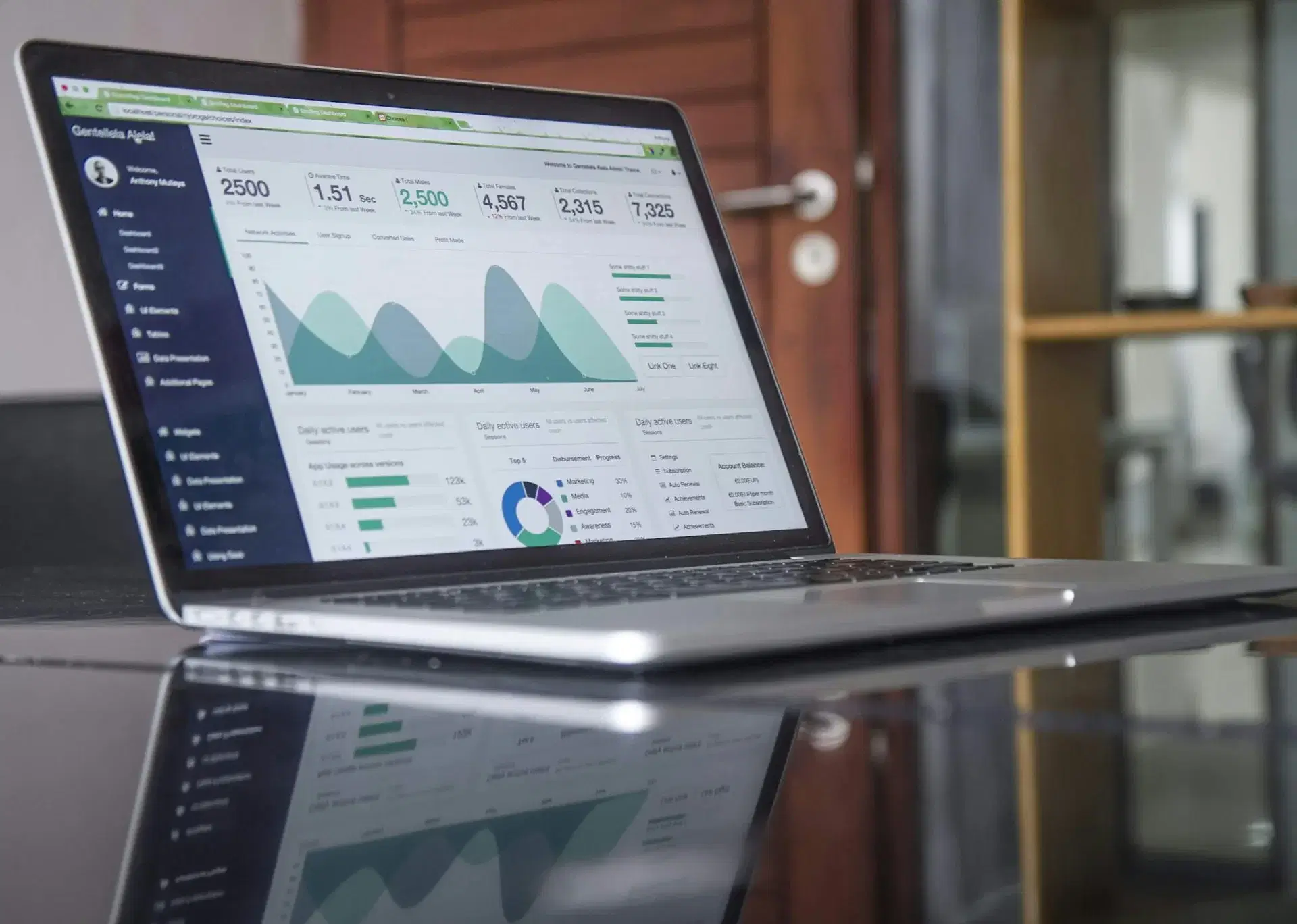
By having good data, it allows you to spend your budget on the channels that are genuinely producing the best results. It can help show you which messages or landing pages are best performing on your website. But most importantly, given that your data is good, it can help identify any problems early, such as:
- Drop in enquiries
- Weak conversation rates
- A page that is losing visitors
Good data supports planning, because decisions are backed by evidence rather than assumptions. For a business, this can influence choices on whether to pause a campaign if it’s not working, increase spending if it is working, improve a website journey, change creativity, adjust targeting or shift focus to a different audience segment.
Having poor-quality data can lead to costly mistakes
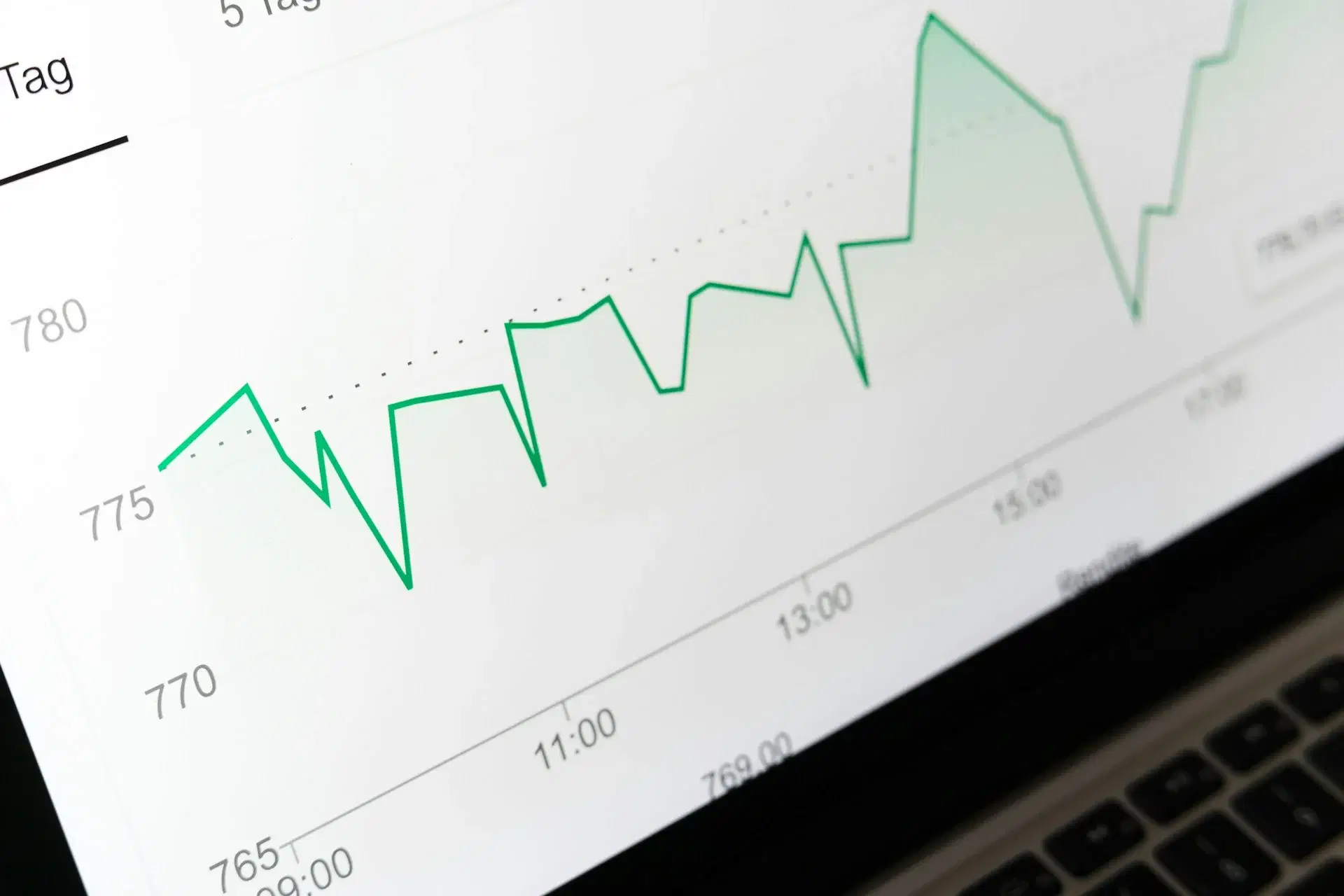
When your businesses data is weak, hard to understand or missing, the business may take action on the wrong signal. Mistakes like these can waste money, time and opportunity. The business may be funding money towards something that may seem busy but is not bringing in any revenue, or cut off activity that was actually helping the business. Some examples of this are:
- Broken tracking
- The business might think that their campaign failed and so they would stop it..
- This would result in potential enquiries being lost just because the campaign data was measured incorrectly.
2. Out-of-date data
- The business will react too late to the data that signifies failing performance.
- This means that because the problem has been going on for longer it will be more expensive to fix.
3. Inconsistent reporting
- The business would compare figures that were measured differently to their others.
- False conclusions because of this are then drawn and planning becomes unreliable for the business which can cause costly mistakes.
4. Vanity metrics only
- The business judges its success purely off likes, views, and followers
- Although it may look like it’s doing well on the surface it all means nothing if those users aren’t engaging, sharing, or buying from the business. The business will then focus the budget on attention rather than meaningful results like enquiries or purchases.
Businesses should value clear reporting
Reporting is presenting the data in a structured format. It helps provide an idea of specific metrics over a duration of time. The structured data provides a way for businesses to track performance trends, informed decision-making and accountability.
Clients rarely want just the report but the clarity about what it demonstrates about their business. A clear report should allow them to understand what the technical information means so it is can be easily understood. It should focus on what matters most and demonstrate how their data now compares to the clients’ wider goals.
If you give your clients a clear report on their data it allows you to build trust with them and hopefully give you a long-lasting client that will keep coming back to you. By making the report clear it also allows for increased productivity because the business is able to focus on exactly what is needed as it is clearly highlighted within the report.
It is so valued as it helps agencies and clients agree on priorities for their business going forward and provide accountability.
Final Thoughts
Marketing data is such an important part of a business’s marketing that allows the business to make good decisions that will benefit them. If this data is not properly managed, it can cause costly mistakes that need to be identified early.
Making sure you are managing your data consistently and accurately and getting clear reports allow you to make the best decisions for your business moving forward.
A couple quick changes in the way you collect your data can often create a noticeable difference that may change the way you think about your marketing data. Instead of thinking of it as useless figures, you can turn it into key knowledge that can transform your business.